
Stonehouse Builder Blog
What To Look For In A New Home
The Best Features to Include When Designing a New Home
Designing a new home is an exciting opportunity to create a space that fits your lifestyle, reflects your personality, and is built for the future. While trends come and go, some features truly stand out for comfort, convenience, and long-term value. Whether you're working with an architect, buying a new build, or renovating with intention, here are some of the best features to consider adding to your new home.
1. An Open-Concept Kitchen and Living Space
The kitchen is often considered the heart of the home—and pairing it with an open living area encourages hosting, family time, and effortless flow. Think large island seating, plenty of countertop space, and walk-in pantries to keep things organized. Bonus points for adding hidden outlets and a butler’s pantry.
2. Dedicated Home Office or Study Space
Remote work and at-home learning have become common, and a dedicated office is now more necessity than luxury. Choose a quiet location with natural light and room for storage. If space is tight, even a built-in desk nook can elevate productivity—and reduce clutter across the house.
3. Mudroom With Storage Solutions
A well-designed mudroom keeps the rest of the home clean and tidy. Include:
- Hooks and cubbies for coats and bags
- Shoe racks
- Bench seating
- A sink or pet washing station if you have animals
It’s one of those features homeowners never regret adding.
4. Energy-Efficient Appliances and Windows
Energy efficiency is a win-win: it saves money and helps the environment. Look for:
- Double or triple-pane windows
- Energy Star appliances
- Smart thermostats
- High-efficiency HVAC systems
Over time, these upgrades can significantly reduce utility costs.
5. Smart Home Technology
Smart home features are no longer futuristic—they’re practical. Consider adding:
- Smart lighting and dimmers
- Keyless door locks
- Whole-home Wi-Fi mesh systems
- Security cameras and monitors
- Voice-controlled assistants
Starting with built-in wiring makes upgrades easier later.
6. Spacious Primary Suite and Walk-In Closet
Your bedroom should feel like a retreat. Think:
- Walk-in closet with built-in organization
- Ensuite bathroom with double sinks
- Walk-in shower (many homeowners skip bathtubs entirely)
- Soft lighting and sound insulation
This is one of the most valued resale features in any home.
7. Outdoor Living Spaces
Whether large or small, outdoor spaces improve lifestyle and livable square footage. Consider:
- A covered patio or deck
- Outdoor kitchen or grill area
- Garden or courtyard space
- Fire pit for evening relaxation
Even small balconies can be turned into cozy retreats.
8. Plenty of Storage (More Than You Think You Need)
Storage is essential—and often overlooked. A new home benefits from:
- Extra closets
- Built-in shelving
- Attic or basement storage
- Garage organization systems
You truly never hear someone say, “I wish this home had less storage.”
9. Laundry Room That Works for You
Instead of tucking the washer and dryer into a hallway closet, consider a full laundry room. Add:
- Counter space for folding
- Cabinets for detergents and cleaning supplies
- Space to hang clothes to dry
Laundry suddenly becomes a little easier—and a lot more organized.
10. Flexible Bonus Rooms
Flex rooms can change over time as your needs evolve—playroom today, home gym tomorrow, guest room later. Leaving a few spaces “multi-purpose ready” adds longevity to your home’s usability.
Final Thoughts
The best home features are the ones that make everyday life smoother, more comfortable, and enjoyable. Prioritize thoughtful layout, storage, and energy efficiency, then layer in tech and personal touches that reflect your lifestyle. Building a home is a big investment—but choosing the right features ensures it’s one you’ll love for years to come.
K&B Blog
Tips For Remodeling Kitchens and Baths
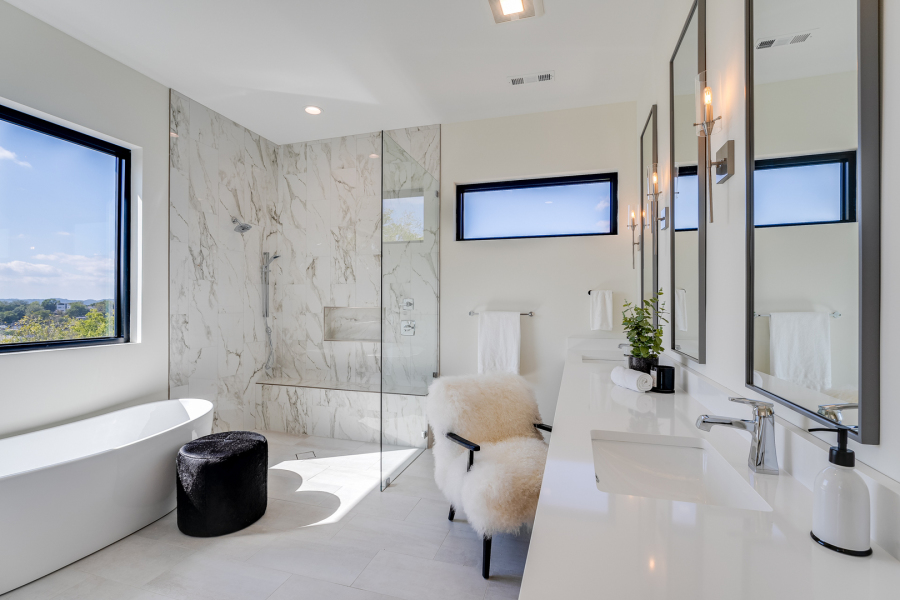
Remodeling a kitchen or bathroom is an exciting way to boost your home’s value and daily comfort, but without a solid plan, it can quickly become overwhelming. Whether you're dreaming of a chef's kitchen or a spa-like master bath, here are the essential factors to keep in mind.
- Define Your Max Spend: Kitchens and bathrooms are often the most expensive rooms to renovate. A general guideline is the 30% rule, which suggests spending no more than 30% of your home's total market value on all renovations....unless of course you just want to go for it!
- The 20% Contingency: Always set aside 10–20% of your total budget for "hidden" surprises like mold, water damage, or outdated wiring discovered once the walls come down. (Definitely do this!)
- Priority Allocation: If budget is tight, allocate more to high-use items like quality cabinetry and flooring, while saving on hardware or lighting fixtures as these items can be upgraded pretty easily later.
- The "Work Triangle": In the kitchen, ensure your sink, stove, and refrigerator form an efficient triangle to minimize movement while cooking.
- Utilization: Think about how you would like to utilize the area for you and your family and don't forget your guests if you like to entertain.
- Plumbing Placement: Try to keep plumbing where it is. Rerouting lines can significantly increase labor costs, though it may be worth it for a better overall flow.
- Door Swings & Clearances: Ensure there is enough space for cabinet doors, dishwashers, and shower doors to open fully without hitting other fixtures.
- Hire Licensed Pros: For complex plumbing and electrical work, always hire a licensed and insured contractor. You can find local specialists like for rough-ins or for countertop modifications.
- Pull the Right Permits: Don't skip this step. Most structural, electrical, or plumbing changes require permits to ensure the work is up to code.
- 4. Choose Durable Materials Over Trends
- Moisture Resistance: In bathrooms, prioritize non-porous materials like porcelain or ceramic tile. For kitchens, quartz or granite offer high resilience against heat and spills.
- Avoid "Cheap" Fixtures: High-use items like faucets and showerheads are worth the investment; cheap versions often break early and lead to costly repairs.
- Layered Lighting: Combine task lighting (under-cabinet lights or vanity sconces) with ambient lighting (recessed ceiling lights) to ensure the space is functional and welcoming.
- Don't Forget the Fan: Proper ventilation is critical for preventing mold and preserving the longevity of your new bathroom materials.
- Smart technology such as smart lighting, smart showers, heated floors, and smart appliances are great additions to consider that add both luxury and convenience and give that "WOW" for you.
- Temporary Arrangements: Plan for a "kitchen-less" period by setting up a temporary coffee and microwave station.
- Timeline Expectations: A full remodel can take several weeks or even months depending on the scope of work.
- Hiccups: There might be a hiccup or two during the renovation as things like weather or material delays sometimes happen.

 Print
Print 